Comodi Trade

Logistics

Built around your destination port

We do not run a fixed lane into one European port and ask you to collect from there. Carrier and routing are negotiated per shipment, against your port and the rates on the day.

Hamburg, Rotterdam, Antwerp and others are all routine. If you already have a preferred port and a broker there, that is an advantage on your side we would rather use than override.

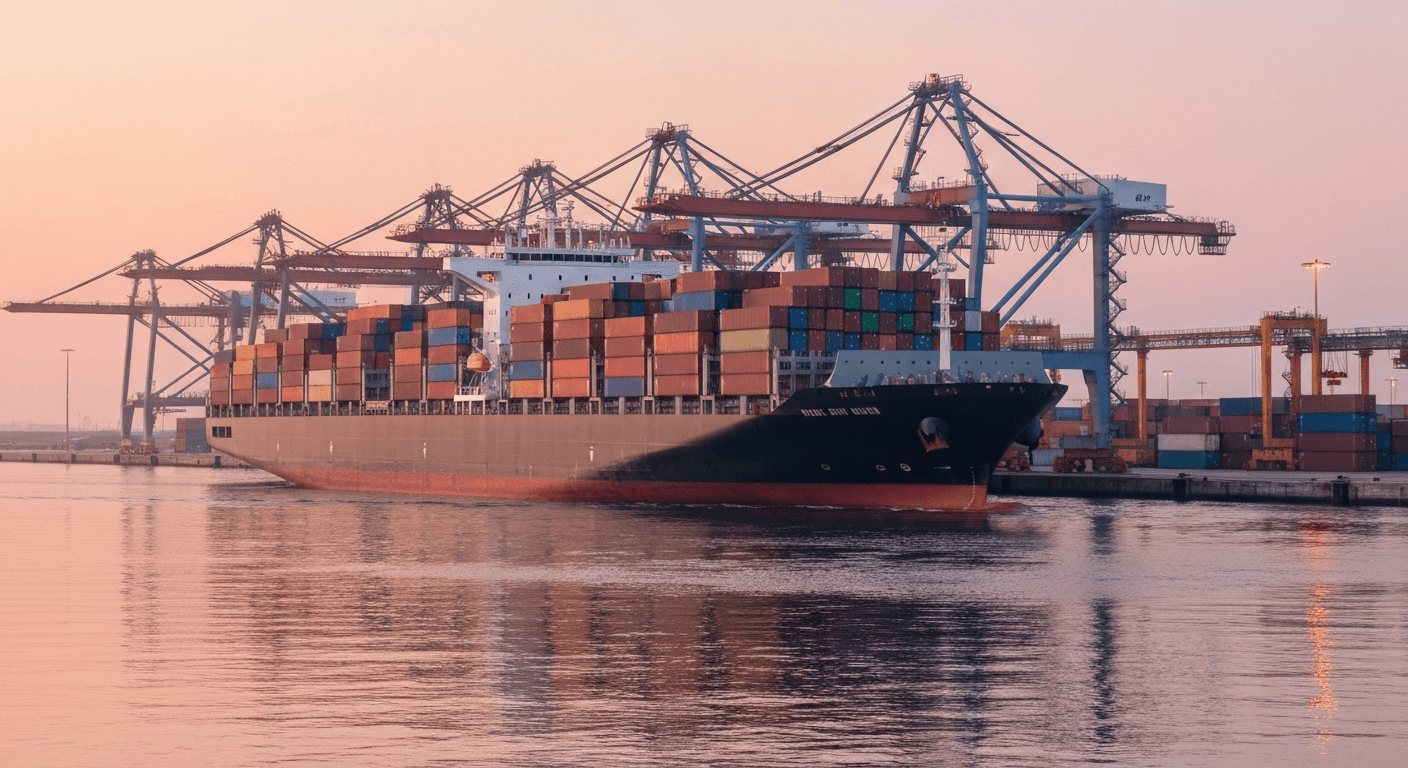
Container terminal at a European port
Container size
20 ft FCL (full container load)
Minimum order
18 tons — one container
Lead time
4 weeks from confirmed order to EU port
Incoterms
CIF or DAP, your choice
Routing
Buyer-led, booked per shipment
Payment
30 % on confirmation · 70 % after inspection

How a shipment runs

Five steps, four weeks

  1. 01

    Specification and quote

    You send a specification sheet and a target tonnage. We come back inside two business days with a price, a current spec extract, and a proposed routing to your destination port.

  2. 02

    Order confirmation · 30 %

    The advance covers carrier booking, insurance and origin handling. It is the point at which the container is committed to you and the four-week clock starts.

  3. 03

    Origin handling and loading

    Material is filled, palletised and stuffed at origin. Documentation is prepared against your destination's import requirements, not a generic set.

  4. 04

    Sea freight

    Carrier and routing are negotiated per shipment against current rates and schedules, then confirmed to you with the bill of lading.

  5. 05

    Inspection at destination · 70 %

    You receive the container and inspect it. Only then does the remaining 70 % of the invoice fall due. If the material is off specification, it is our problem, not yours.

Payment

Inspect before you settle the balance

Commodity trade normally asks a new buyer for a letter of credit or full payment up front. We ask for 30 % on confirmation and the remaining 70 % once the container has reached you and you have inspected what is inside.

That is a real concession and we make it deliberately. The alternative is asking a procurement team to wire six figures to a Berlin company they have not traded with, on the strength of a spec sheet.

30 %

On order confirmation

Commits the container. Covers carrier booking, insurance and origin handling.

70 %

After destination-port inspection

Falls due once you have the goods and have satisfied yourself that they match the specification.

Incoterms 2020

CIF or DAP — where the handover sits

The difference is not price, it is who runs the destination leg and where risk transfers. Both are quoted on request; pick whichever matches how your import operation already works.

CIF

Cost, Insurance and Freight

to named port of destination

We cover

  • Export clearance at origin
  • Ocean freight to your named port
  • Marine cargo insurance for the voyage

You cover

  • Import clearance and duties
  • Terminal handling at destination
  • Onward carriage from the port to your plant

Risk passes when the goods are loaded on board at origin, even though we carry the freight and insurance cost. Standard for buyers who already have a customs broker and inland haulage.

DAP

Delivered at Place

to named address you specify

We cover

  • Export clearance at origin
  • Ocean freight and destination terminal handling
  • Inland carriage to the address you name

You cover

  • Import clearance and duties
  • Unloading at your site

Risk stays with us until the container is at your named place, ready for unloading. The simpler option if you would rather not run the import leg yourself.

Documentation

What travels with the container

Issued with every shipment

  • Commercial invoice
  • Packing list
  • Bill of lading
  • Certificate of origin

On request

  • Batch-specific Certificate of Analysis (ISO 17025 laboratory)
  • Safety data sheet
  • Phytosanitary certificate, where the destination requires one

Tell us your destination and industry with the enquiry — import requirements differ, and the document set is built against yours rather than a template.

Larger volumes and standing schedules

Multi-container orders, recurring quarterly schedules and non-standard routing are structured case by case. Bring the annual tonnage and the delivery rhythm you need and we will quote against it.